
Understanding the psychology of risk why do we gamble
The Nature of Risk in Gambling
Risk is a fundamental element of human experience, and in the context of gambling, it manifests as both an attraction and a deterrent. The allure of risk is deeply rooted in psychological processes, often linked to the thrill of uncertainty. Gamblers are drawn to the unpredictable outcomes that games present, as the potential for both significant losses and wins elicits excitement. This psychological thrill can trigger the release of dopamine, reinforcing the desire to engage in risk-taking behaviors. For those interested in online gaming, the platform at mafia-casino.uk provides a thrilling array of choices.
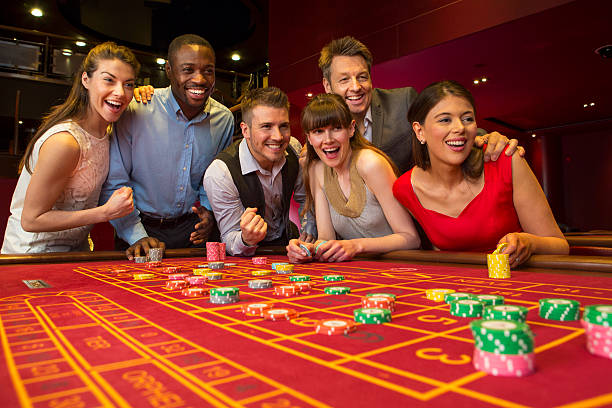
Understanding the psychology of risk involves recognizing how individuals perceive potential losses compared to gains. Research suggests that the fear of loss is often greater than the pleasure derived from equivalent gains. This phenomenon can lead to a behavior known as “loss chasing,” where individuals continue to gamble in an attempt to recover losses. The emotional highs and lows experienced during gambling can lead to an addictive cycle, making it challenging for some to walk away, even after losing substantial amounts.
The environment in which gambling occurs also plays a crucial role in shaping risk perception. The ambiance of a casino, characterized by bright lights and engaging sounds, creates a sensory overload that can cloud judgment. This combination of factors leads to an environment where rational decision-making is compromised. As players become more immersed in the game, they may disregard the risks involved and focus instead on the excitement of possible rewards, perpetuating a cycle of risk-taking behavior.
Motivations Behind Gambling Behavior
Understanding why people gamble requires delving into the various motivations behind this behavior. For many, gambling serves as a means of escapism from daily stressors or personal issues. The act of placing bets can provide a temporary distraction, allowing individuals to forget their troubles and immerse themselves in a world of possibilities. This escapism is often fueled by the belief that winning can lead to an improved quality of life, thus reinforcing the motivation to gamble.
Another significant motivation is the social aspect of gambling. Casinos and online platforms often create a community atmosphere where individuals can interact and share experiences. This social engagement can enhance the enjoyment of casino activities, leading people to participate even when they are aware of the risks involved. The desire to belong and share thrilling experiences with others can outweigh rational thoughts regarding potential losses, making social motivations a powerful influence on gambling behavior.
The potential for monetary gain also drives many to gamble. The dream of hitting a jackpot or achieving a large payout can be intoxicating. However, it’s essential to understand the odds and the psychological phenomenon known as “gambler’s fallacy,” where players believe that past events influence future outcomes. This misperception can lead to overconfidence and excessive gambling, as individuals chase their perceived chances of winning rather than accepting the mathematical reality of their situation.
The Role of Cognitive Biases in Gambling
Cognitive biases significantly influence gambling behavior, often leading individuals to make irrational decisions. One common bias is the “illusion of control,” where gamblers believe they can influence the outcome of games that are inherently random. This misconception fosters a sense of empowerment, encouraging players to gamble more, as they feel their skills can affect the results. Such biases can lead to persistent gambling behavior, even in the face of consistent losses.
The “availability heuristic” is another cognitive bias that plays a role in gambling. This phenomenon occurs when individuals overestimate the probability of an event based on how easily examples come to mind. For instance, after hearing about a big lottery winner, a person may be more inclined to buy a ticket, despite knowing the odds are against them. This cognitive shortcut can distort reality, leading to increased gambling as the gambler fixates on recent successes rather than understanding the overall odds.
Additionally, the “sunk cost fallacy” can trap gamblers in a cycle of continuous betting. When individuals have already invested time or money into gambling, they may feel compelled to continue to avoid losing their initial investment. This reasoning leads to increased risk-taking, as the desire to recover losses often supersedes rational decision-making. Recognizing these cognitive biases is crucial for understanding gambling behavior and developing strategies to mitigate their influence.
The Psychological Impact of Gambling Addiction
The psychological impact of gambling addiction can be profound and far-reaching. Individuals who develop a gambling addiction often experience a range of emotional and psychological issues, including anxiety, depression, and feelings of isolation. The constant cycle of winning and losing can lead to a rollercoaster of emotions, which can exacerbate mental health problems. As the addiction progresses, individuals may increasingly turn to gambling as a coping mechanism, further entrenching their issues.
Moreover, the strain of gambling addiction can impact personal relationships. Gamblers may conceal their behavior from friends and family, leading to a breakdown in trust and communication. Relationships often suffer as financial strain grows, creating a ripple effect that affects not only the gambler but also loved ones. The feelings of shame and guilt can deepen the emotional turmoil, making recovery more challenging.
Intervention and support are crucial for those affected by gambling addiction. Cognitive-behavioral therapy (CBT) and support groups can provide effective strategies for overcoming addiction. These approaches help individuals confront their thoughts and behaviors associated with gambling, offering tools for managing urges and developing healthier coping mechanisms. Understanding the psychological impact is essential for creating effective treatment plans that address both the addiction and its underlying emotional issues.
Mafia Casino UK: A Safe Gaming Experience
For those seeking an engaging and secure online gambling experience, Mafia Casino UK stands out as a top choice. Launched in 2025, it offers a diverse range of gaming options, including over 3,000 slot machines and various table games, catering to different preferences. The platform emphasizes player safety, featuring an internationally recognized license that ensures a secure environment for all players.
New members can take advantage of a generous welcome bonus of 100% up to €500 and 200 free spins, encouraging players to explore the extensive gaming library. The casino is committed to providing fast payouts and excellent customer service, ensuring that players can enjoy a seamless experience. With a variety of secure payment methods, Mafia Casino UK prioritizes the safety and satisfaction of its users.
In conclusion, Mafia Casino UK not only offers thrilling rewards and engaging gameplay but also emphasizes responsible gambling practices. By providing a safe and enjoyable gaming environment, it caters to both new and experienced players alike. The casino’s commitment to player welfare makes it a prime destination for those looking to delve into the exciting world of online gaming while understanding the importance of responsible gambling habits.