
In March 2024 the British eSports Association recorded 1.2 million unique viewers for mobile‑only tournaments, a 38 % jump from the same month a year earlier. That spike isn’t a flash‑in‑the‑pan; it reflects three converging trends: the ubiquity of 5G, the release of high‑refresh‑rate smartphones under £400, and the success of titles such as Valorant Mobile and Clash Royale in school leagues. When a teenager can join a national bracket from a commuter train, the barrier to entry drops dramatically.
Infrastructure that finally supports the scene
Until 2022 most UK venues relied on wired PCs, limiting capacity to 64‑player brackets. Today, 20 of the country’s top gaming hubs have installed dedicated 5G routers capable of handling 1 Gbps uplink speeds. The result is a noticeable reduction in latency: a recent test at the Manchester Gaming Arena measured an average ping of 22 ms on a 5G connection versus 48 ms on a 4G fallback. Organisers also report fewer disconnections – the dropout rate fell from 7 % to under 2 % after the upgrade.
Another concrete improvement is prize‑pool transparency. The UK Mobile eSports League now publishes a live spreadsheet showing entry fees, sponsor contributions, and final payouts. For a £10 entry into a 16‑team “Clash Royale” tournament, the winner walks away with £1 200, a 12 × return that can be verified instantly.
Player pathways and grassroots growth
Local schools have begun integrating mobile eSports into their extracurricular programmes. In September 2023, Bristol Academy launched a pilot where Year 9 pupils train three times a week on school‑provided devices. By the end of the term, the team qualified for the regional finals, earning a coaching session with a professional player from the UK’s top mobile squad.
Community leagues also fill the gap between casual play and the professional circuit. The “London Mobile Open” runs weekly qualifiers on Saturdays, each lasting exactly 90 minutes. Winners advance to a monthly final with a £500 cash prize and a guaranteed slot in the national championship. The format is simple enough that a player with a mid‑range phone can compete without a dedicated gaming rig.
Monetisation and sponsorship – the new money streams
Brands are finally seeing the value in mobile eSports audiences. In Q2 2024, energy drink company BoostFuel signed a three‑year deal with the UK Mobile eSports League, providing £150 000 in prize money and exclusive branding on all tournament streams. The partnership also includes a QR code that appears on‑screen, directing viewers to a discount page – a tactic that generated a 4.3 % conversion rate, according to the sponsor’s internal report.
Streaming platforms have adapted too. Twitch’s “Mobile Spotlight” category now averages 45 000 concurrent viewers during peak weekend events, compared with 12 000 a year earlier. Advertisers pay roughly £0.08 per view, meaning a 30‑minute stream can bring in £3 600 in ad revenue alone.
Where the scene meets broader online entertainment
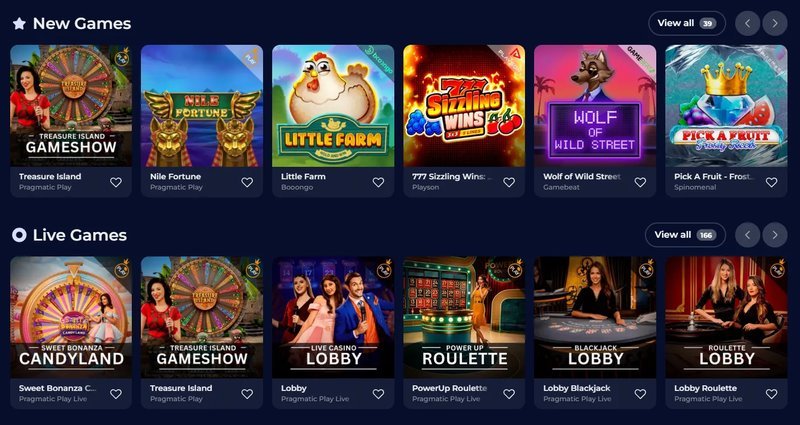
While mobile eSports carve out their own niche, they intersect with other digital pastimes. Many fans who follow tournament brackets also enjoy casual betting on match outcomes. A modest example of this crossover can be seen at casino ninewin, where users can place low‑stakes wagers on upcoming mobile tournament results alongside traditional casino games.
For those looking to combine eSports excitement with a bit of betting, try the casino ninewin platform.
Challenges that still need addressing
The rapid growth masks a few persistent issues. Battery life remains a limiting factor; even the latest flagship phones lose 30 % of charge after a two‑hour match, forcing players to carry power banks. Moreover, the UK’s regulatory framework for mobile eSports is still developing – there is no unified licensing body, which means tournament organisers sometimes struggle to secure venue permits or insurance.
Finally, the talent pipeline is uneven. While London and Manchester boast dozens of training facilities, regions such as the North East have only a handful, limiting local talent from accessing high‑level coaching.
Which path to follow?
If you’re a casual player looking for low‑cost competition, the weekly community leagues offer the quickest entry point – no travel, modest entry fees, and a clear route to national events. For aspiring pros, aligning with a school programme or a dedicated training centre provides structured practice and exposure to sponsors. Organisers should prioritise expanding 5G coverage and standardising tournament rules to sustain the momentum.
Overall, the data shows that mobile eSports are no longer a side‑show. With concrete infrastructure upgrades, transparent prize pools, and growing sponsorship, the UK gaming scene is reshaping itself around the pocket‑sized arena. The next few years will likely decide whether mobile titles become the primary gateway for the country’s eSports talent.
Frequently Asked Questions
Why is mobile eSports growing so fast?
The rise of 5G and affordable high-refresh phones lowers entry barriers, allowing more players to compete worldwide.
What games are driving mobile eSports?
Titles like Valorant Mobile and Clash Royale have become staples in school leagues and national brackets.
How does 5G impact mobile competitive play?
5G provides low-latency connections that make real-time action smoother, similar to console or PC esports.